Best Books on India’s Geography, History & Geopolitics
Best Books on India’s Geography, History & Geopolitics You Must Read
Why does geography decide the fate of nations? Why do rivers cause wars? Why do borders drawn decades ago still shape today’s conflicts?
To truly understand India’s past, present, and future, one must go beyond surface-level history and explore the deep connection between geography, power, water, borders, and politics.
Most people read history as a sequence of events. But serious readers know that geography is the invisible hand behind every empire, partition, war, and alliance.
From the Indus River system that fuels tensions between India and Pakistan, to the Partition of the subcontinent, to the Indian Ocean’s role in global trade and power, India’s story cannot be separated from its land and waters.
At Clickolla, we believe that the best way to understand complex realities is through well-researched, expertly written books.
This Mega Article curates five essential books that explain:
How rivers became weapons
How borders were engineered
How geography shapes politics
How India’s location defines its global role
Each book is reviewed with depth, not summaries—so you know exactly which book fits your reading goal.
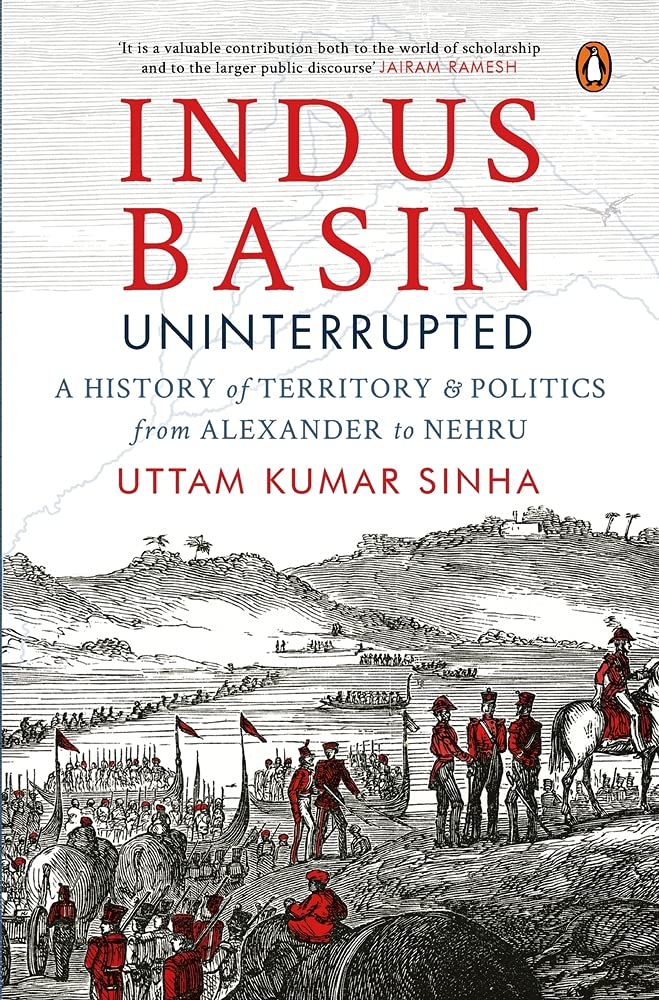
Indus Basin Uninterrupted
What This Book Is About
This book examines the Indus River system—one of the most politically sensitive river networks in the world—and how it shapes India–Pakistan relations.
Rather than treating water as a natural resource, the author presents it as a strategic weapon, bargaining chip, and political boundary.
This explosive book uncovers the violent history of the East India Company, showing how corporate greed—not governments—was one of the most destructive forces in global history.
It reframes colonialism as a corporate project, driven by profit, plunder, and private armies.
Though written as fiction, this Booker-winning work is deep political commentary on modern India—covering Kashmir, caste, nationalism, and marginal voices.
It humanizes politics through stories of loss, resistance, and survival.