Blog Post

News and Update > News > Finance > Best Financial Literacy Books for Kids

Best Financial Literacy Books for Kids

In today’s fast-changing world, financial literacy is no longer optional—it’s essential. Yet, most schools still don’t teach children how to manage money, save, or invest.

As a result, many adults struggle with:

  • ❌ Poor money management
  • ❌ Lack of savings
  • ❌ Fear of investing
  • ❌ Financial stress

Now imagine if your child could learn:
✔ How money works
✔ How to save and grow wealth
✔ The basics of investing
✔ Smart spending habits

— all at a young age.

That’s where financial literacy books for kids become a game-changer.

Instead of boring lectures, these books teach money concepts in a fun, engaging, and easy-to-understand way.

👉 At Clickolla, we’ve researched and curated the best financial education books for children that help build strong money habits early in life.

Whether your child is a beginner or already curious about money, this guide will help you choose the perfect book to start their financial journey.

Let’s explore the top picks 👇

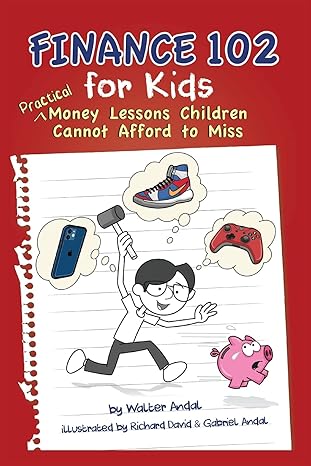
Finance 102 for Kids: Practical Money Skills

Key Features

  • Covers basic financial concepts
  • Focus on real-life money situations
  • Easy-to-understand language
  • Practical examples

    ✔ Real-Life Learning:
    Teaches kids how money works in everyday life — not just theory.

    ✔ Strong Foundation:
    Covers saving, budgeting, and spending basics.

    ✔ Simple Language:
    Perfect for beginners who are just starting financial education

    • Easy to understand
    • Practical examples
    • Ideal for beginners
    • Limited advanced topics
    • Not focused on investing deeply
    • Kids aged 8–14
    • Beginners in financial learning
    • Parents who want simple money lessons

Brainologi Guide to Money & Financial Literacy

Key Features:

  • Step-by-step financial learning
  • Covers saving, earning, and spending
  • Engaging illustrations

    ✔ Interactive Learning:
    Keeps children engaged through visuals and examples.

    ✔ Complete Money Guide:
    Introduces multiple aspects of financial literacy.

    ✔ Habit Building:
    Encourages disciplined financial habits early.

    • Engaging format
    • Easy explanations
    • Good for habit building
    • May feel basic for older kids
    • Limited advanced investment content
    • Kids aged 7–12
    • Beginners
    • Parents looking for engaging books

Investing for Kids: Beginner’s Guide

Key Features:

  • Introduction to investing
  • Covers budgeting & saving
  • Beginner-friendly investment concepts

    ✔ Early Investing Knowledge:
    Teaches kids how money can grow through investments.

    ✔ Builds Wealth Mindset:
    Encourages long-term thinking.

    ✔ Step-by-Step Guide:
    Breaks down complex ideas into simple lessons.

    • Focus on investing
    • Practical lessons
    • Unique compared to basic books
    • Slightly advanced for younger kids
    • Requires guidance from parents
    • Kids aged 10+
    • Teens
    • Future investors

Financial Literacy: Create Financially Smart Children

Key Features:

  • Focus on mindset & habits
  • Long-term financial education
  • Parent-guided approach

    ✔ Strong Financial Mindset:
    Teaches discipline, patience, and smart decision-making.

    ✔ Parent Involvement:
    Encourages parents to guide children.

    ✔ Long-Term Value:
    Focuses on habits rather than quick tips

    • Mindset-focused
    • Deep insights
    • Long-term impact
    • Less interactive
    • More theory-based
    • Parents teaching kids
    • Long-term learning approach
    • Family-based financial education

Piggy Bank to Portfolio

Key Features:

  • Journey from saving to investing
  • Real-life financial strategies
  • Covers wealth-building

    ✔ Complete Financial Journey:
    From saving money to building wealth.

    ✔ Advanced Learning:
    Great for kids ready for deeper knowledge.

    ✔ Real-Life Application:
    Teaches practical strategies.

    • Covers full financial journey
    • Strong value content
    • Practical examples
    • Slightly advanced
    • Not for very young kids
    • Teens
    • Advanced learners
    • Future entrepreneurs

Brainologi Guide to Money & Financial Literacy

Key Features:

  • Beginner-friendly money concepts
  • Interactive and engaging format
  • Covers saving, earning, and spending

    ✔ Engaging Learning Style
    Unlike boring textbooks, this book uses simple storytelling and visuals to keep kids interested.

    ✔ Strong Financial Foundation
    Teaches the basics of:

    • Saving money
    • Spending wisely
    • Understanding value

    ✔ Habit Building Focus
    Encourages children to develop good financial habits early.

    • Kids aged 6–12
    • Beginners
    • Parents introducing money concepts

Financial Literacy for Children (Step-by-Step Guide)

Key Features:

  • Structured financial lessons
  • Focus on real-world money use
  • Simple step-by-step approach

    ✔ Practical Knowledge
    Teaches kids how to apply money concepts in daily life.

    ✔ Clear Learning Path
    Builds knowledge step-by-step:

    • Saving → Budgeting → Smart spending

    ✔ Confidence Building
    Helps children become financially independent thinkers.

    • Kids aged 8–14
    • Parents teaching structured learning
    • School-level learners

Finance 102 for Kids: Practical Money Skills

Key Features:

  • Real-life financial scenarios
  • Focus on practical money skills
  • Easy-to-read content

    ✔ Real-World Learning
    Kids learn:

    • How to manage pocket money
    • How to plan expenses

    ✔ Strong Basics
    Covers:

    • Budgeting
    • Saving
    • Spending

    ✔ Simple Language
    Perfect for beginners with no prior knowledge.

    • Beginners
    • Kids aged 7–13
    • Parents looking for practical teaching

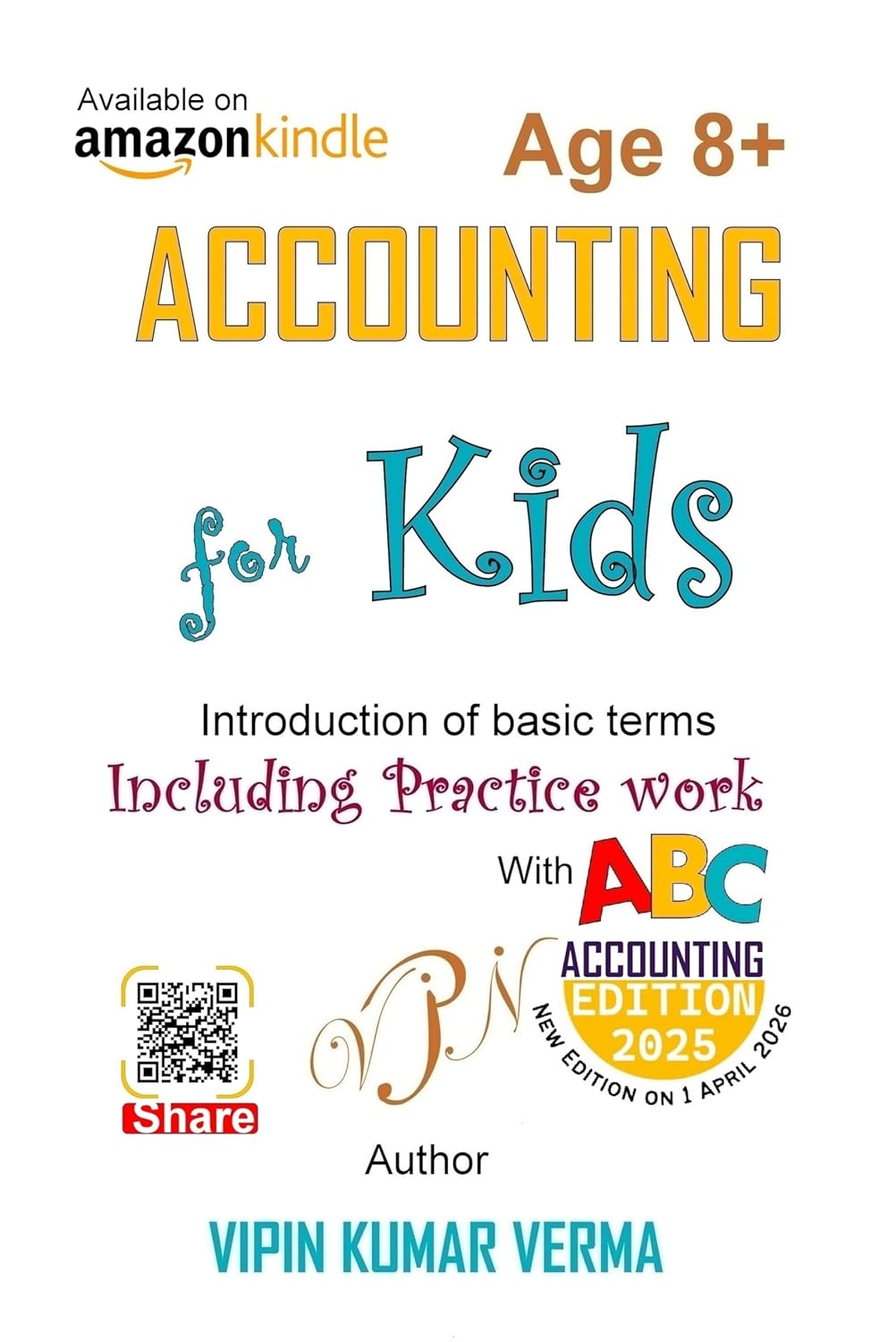
Accounting for Kids – by Vipin Kumar Verma

Key Features:

  • Introduction to accounting
  • Covers financial records
  • Basic business understanding

    ✔ Early Business Knowledge
    Introduces kids to:

    • Income & expenses
    • Profit & loss

    ✔ Logical Thinking Development
    Enhances analytical skills.

    ✔ Unique Learning Area
    Most books ignore accounting — this one fills the gap.

    • Teens
    • Future entrepreneurs
    • Advanced learners

The Very First Money Encyclopedia for Kids

Key Features:

  • Visual encyclopedia format
  • Covers wide financial topics
  • Highly engaging content

    ✔ Visual Learning
    Great for kids who learn through:

    • Images
    • Charts
    • Illustrations

    ✔ Wide Coverage
    Covers multiple topics like:

    • Money history
    • Banking
    • Spending

    ✔ Fun + Educational
    Perfect mix of learning and entertainment.

    • Kids aged 5–10
    • Visual learners
    • Beginners

Financial education is one of the greatest gifts you can give your child.

These books help kids:
✔ Understand money early
✔ Build strong financial habits
✔ Develop smart decision-making skills


🏆 Final Recommendations:

  • Best Overall: Brainologi Guide
  • Best Beginner: Finance 102
  • Best Visual Book: Money Encyclopedia
  • Best Advanced: Accounting for Kids

👉 Start today — because financial habits built early last a lifetime.

FAQ

1. What is the best age to teach kids about money?

Kids can start learning basic money concepts from age 5–6.


2. Are financial literacy books effective?

Yes, they build long-term habits and financial awareness.


3. Which book is best for beginners?

Brainologi Guide and Finance 102 are excellent starting points.


4. Can kids understand investing?

Basic investing concepts can be introduced from age 10+.


5. How can parents teach financial literacy?

Use books, real-life examples, and encourage saving habits.

Leave a comment

Your email address will not be published. Required fields are marked *