


Financial literacy has become one of the most important life skills in today’s world. Whether you are a student, freelancer, salaried employee, entrepreneur, or investor, understanding how money works can completely transform your future.
Unfortunately, most people are never taught:
- How to invest money
- How mutual funds work
- How to build wealth
- How to manage expenses
- How to avoid financial mistakes
- How to develop a healthy money mindset
This lack of financial education often leads to:
- Poor savings habits
- Emotional spending
- Debt traps
- Weak investment decisions
- Financial stress
Thankfully, some of the best finance authors and investment educators have simplified these concepts through powerful books that teach money management, investing, wealth creation, and financial psychology in practical and easy-to-understand ways.
At Clickolla, we researched some of the most recommended finance and personal growth books available online and selected the best options for beginners, investors, students, professionals, and anyone wanting financial freedom.
In this detailed mega guide, we’ll deeply analyze each book, explain its core lessons, discuss pros and cons, and help you choose the best finance book based on your goals and learning style.
Whether you want to understand mutual funds, improve your money mindset, master investing basics, or learn personal finance strategies, this guide will help you find the perfect book.
The Money Guide” by Anushka Rathod


Key Topics Covered
The Anushka Rathod Money Guide simplifies investments, insurance, budgeting, and modern financial literacy for young readers.
- Personal finance basics
- Budgeting strategies
- Investment fundamentals
- Insurance awareness
- Lifestyle money management
- Financial planning for beginners
Anushka Rathod has become highly popular among young Indian audiences for simplifying finance concepts through relatable examples and practical explanations.
This book is designed specifically for:
- Students
- Young professionals
- First-time investors
- Freelancers
- Digital creators
The biggest advantage of this book is its beginner-friendly language. Unlike traditional finance books filled with technical jargon, this guide explains money concepts in a modern, relatable, and easy-to-understand style.
It also helps readers understand how financial decisions impact long-term lifestyle and wealth growth.
- Beginner-friendly language
- Practical financial lessons
- Easy to understand
- Relevant for Indian readers
- Modern relatable examples
- Advanced investors may want deeper technical content
- Focused mainly on fundamentals
Perfect for:
- Beginners
- Young adults
- College students
- Freelancers
- First-time investors
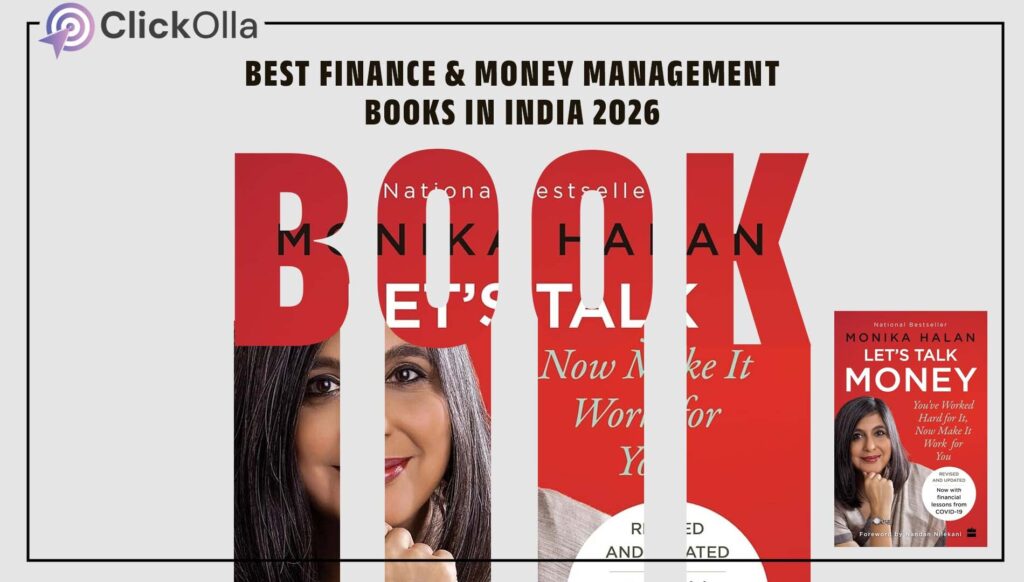
“Let’s Talk Money”


Key Topics Covered
Let’s Talk Money is one of the most practical books for understanding savings, investing, taxes, and long-term wealth creation.
- Financial independence
- Budgeting systems
- Emergency funds
- Wealth-building strategies
- Tax-saving methods
- Smart investing habits
This book focuses heavily on helping readers take control of their financial future.
One of its strongest qualities is its practical structure. It doesn’t simply explain theory — it provides actionable systems for:
- Managing money
- Building savings
- Avoiding financial mistakes
- Creating long-term investment habits
The author also simplifies concepts that many people find confusing, including:
- Inflation
- Compound growth
- Financial planning
- Passive income
- Highly practical advice
- Beginner-to-intermediate friendly
- Strong focus on financial independence
- Real-world strategies
- Easy readability
- Some topics may feel repetitive for experienced investors
- Less focus on advanced stock analysis
- Salaried employees
- Young professionals
- Beginners in investing
- Financial planning learners
- Wealth-building enthusiasts
“Let’s Talk Mutual Funds”


Key Topics Covered
This book is an excellent guide for understanding mutual funds, SIPs, and long-term investing strategies.
- Mutual fund basics
- SIP investing
- Risk management
- Portfolio diversification
- Equity vs debt funds
- Long-term investment planning
Many beginners feel intimidated by investing because they don’t understand how mutual funds work.
This book simplifies:
- Systematic Investment Plans (SIPs)
- Fund categories
- Risk vs returns
- Asset allocation
- Investment discipline
One of the strongest aspects of this book is its focus on long-term wealth creation through consistency rather than risky speculation.
It teaches readers how disciplined investing can build financial security over time.
- Excellent beginner mutual fund guide
- Easy-to-understand investing concepts
- Practical SIP explanations
- Reduces fear around investing
- Strong educational value
- Limited stock market technical analysis
- Advanced investors may prefer deeper portfolio theory
- New investors
- SIP beginners
- Salaried employees
- Long-term wealth builders
- Financial literacy learners
“The Art of Spending Money”


Key Topics Covered
This book explores the emotional and psychological relationship people have with money and spending.
- Psychology of spending
- Emotional financial behavior
- Smart purchasing habits
- Consumer mindset
- Money awareness
- Lifestyle decisions
Many people assume financial success depends only on earning more money. However, spending habits often play an even bigger role.
This book deeply analyzes:
- Why people overspend
- Emotional purchasing triggers
- Lifestyle inflation
- Consumer behavior
- The psychology behind money decisions
It helps readers become more intentional and mindful with their financial habits.
The book is especially valuable for people struggling with:
- Impulse spending
- Lifestyle pressure
- Poor savings discipline
- Unique psychological perspective
- Improves financial awareness
- Easy-to-read writing style
- Practical mindset lessons
- Helps control emotional spending
- Less focused on investing techniques
- More mindset-oriented than technical
- Young professionals
- Impulse spenders
- Psychology readers
- Lifestyle-focused learners
- Self-improvement enthusiasts
“Stop Letting Everything Affect You”

Key Topics Covered
Although not purely a finance book, this title strongly supports emotional discipline and mindset improvement — both critical for financial success.
- Emotional resilience
- Self-discipline
- Overthinking reduction
- Mental clarity
- Personal growth
- Confidence building
Financial success is not only about numbers — it’s also about emotional control and decision-making discipline.
This book helps readers:
- Avoid emotional reactions
- Build stronger focus
- Improve self-confidence
- Reduce anxiety-driven decisions
- Develop healthier habits
These lessons indirectly improve:
- Investing behavior
- Spending discipline
- Career decisions
- Productivity
- Financial consistency
- Strong personal growth lessons
- Improves emotional discipline
- Easy readability
- Helpful mindset transformation
- Practical life advice
- Not purely finance-focused
- Some concepts may feel motivational rather than technical
- Personal growth readers
- Overthinkers
- Young professionals
- Self-improvement enthusiasts
- People building discipline
The Richest Man in Babylon


Key Topics Covered
The Richest Man in Babylon is considered one of the greatest personal finance books ever written.
- Wealth-building fundamentals
- Saving habits
- Financial discipline
- Investing wisdom
- Money management principles
- Long-term financial thinking
Despite being written decades ago, the lessons in this book remain timeless and highly practical.
The book uses ancient Babylonian stories and parables to explain:
- Why saving money matters
- How wealth compounds over time
- The importance of financial discipline
- How investments should work for you
One of the most famous principles from the book is:
“Pay yourself first.”
This simple concept teaches readers to save and invest consistently before spending on unnecessary expenses.
The storytelling format makes the book engaging while delivering powerful financial wisdom.
- Timeless money principles
- Easy storytelling format
- Beginner-friendly finance lessons
- Highly motivational
- Strong financial discipline focus
- Old-fashioned writing style for some readers
- Limited modern investing examples
Perfect for:
- Beginners
- Young investors
- Students
- Entrepreneurs
- Personal finance learners
Ikigai


Key Topics Covered
Ikigai explores the Japanese philosophy of finding purpose, happiness, and meaningful living.
- Life purpose
- Happiness principles
- Long-term wellness
- Healthy lifestyle habits
- Emotional balance
- Meaningful productivity
Unlike aggressive hustle-focused self-help books, Ikigai encourages sustainable happiness and meaningful growth.
It teaches readers how small daily habits contribute to:
- Long-term satisfaction
- Mental peace
- Productivity
- Longevity
- Peaceful and motivational
- Beautiful life philosophy
- Easy readability
- Practical mindset lessons
- Encourages balanced success
- Less action-oriented than business books
- Some concepts may feel repetitive
- Overworked professionals
- Students
- Mindfulness seekers
- Personal growth readers
- People searching for life direction
Coffee Can Investing


Key Topics Covered
Coffee Can Investing simplifies long-term investing strategies for Indian investors.
- Long-term investing
- Wealth compounding
- Stock selection
- Portfolio discipline
- Investment psychology
- Financial patience
The “Coffee Can” concept comes from the idea of buying quality investments and leaving them untouched for long periods.
This book strongly discourages:
- Emotional trading
- Short-term speculation
- Frequent buying and selling
Instead, it promotes:
- Patience
- Quality investing
- Consistency
- Compounding wealth over time
The authors also explain how disciplined long-term investing often outperforms emotional market behavior.
This is one of the most valuable investing books for Indian readers wanting practical wealth-building strategies.
- Excellent beginner investment guidance
- Simplifies stock investing
- Focuses on long-term wealth creation
- Practical examples
- Strong investing mindset lessons
- Less suitable for active traders
- Requires patience-focused mindset
- New investors
- SIP investors
- Wealth builders
- Stock market beginners
- Long-term financial planners
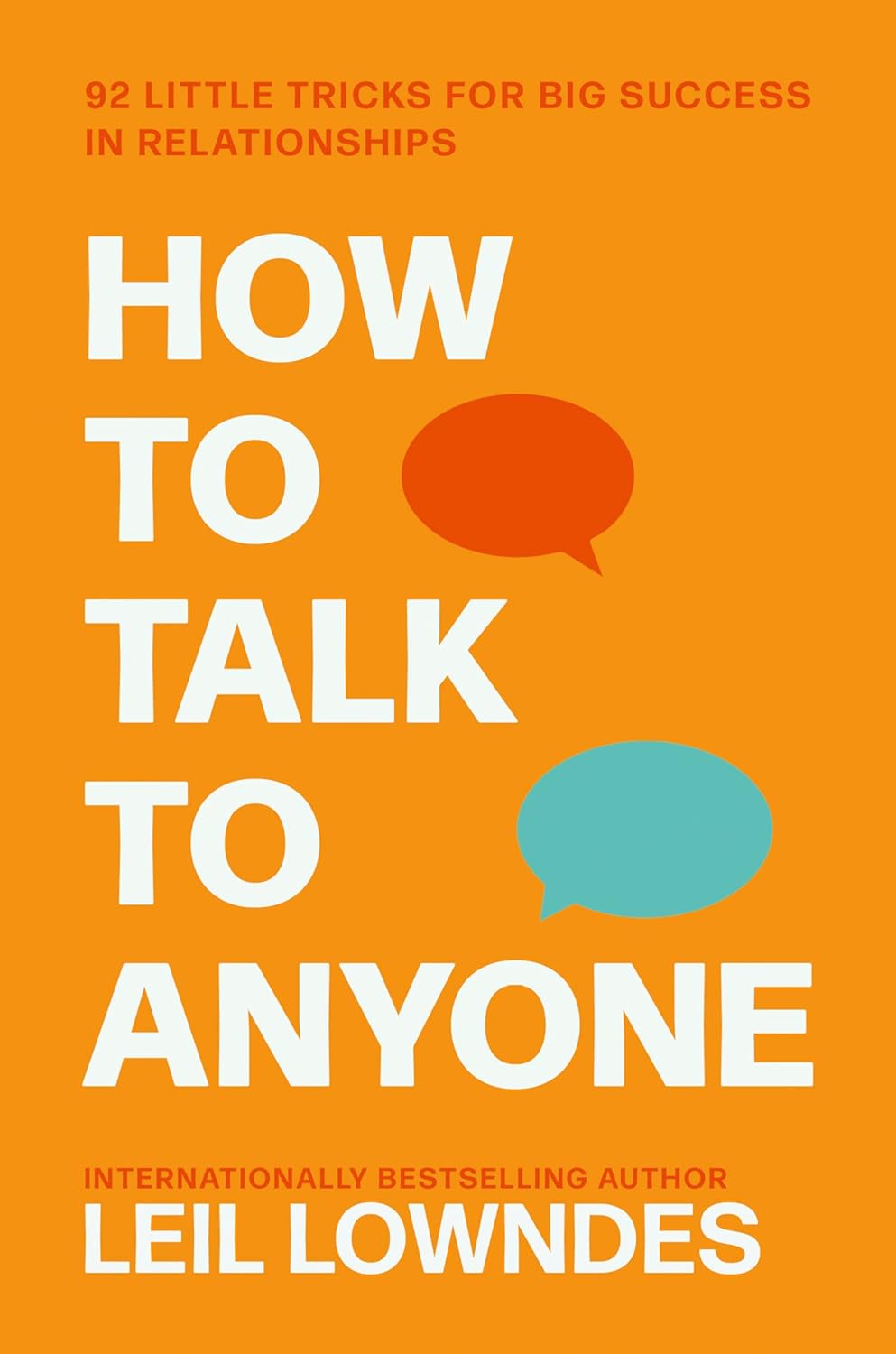
How to Talk to Anyone

Key Topics Covered
How to Talk to Anyone is one of the most popular books for improving communication, networking, and social confidence.
- Social confidence
- Networking skills
- Relationship building
- Conversation techniques
- Professional communication
- Personal charisma
Communication is one of the most valuable skills in:
- Business
- Freelancing
- Leadership
- Relationships
- Career growth
This book provides highly practical techniques for:
- Starting conversations
- Building confidence
- Creating positive first impressions
- Improving networking abilities
- Becoming more socially comfortable
Unlike theory-heavy communication books, this title focuses on actionable real-world strategies readers can immediately apply.
Countdown to Riches


Key Topics Covered
Countdown to Riches focuses on wealth attraction, success habits, and millionaire thinking patterns.
- Wealth habits
- Success mindset
- Daily routines
- Financial discipline
- Positive thinking
- Goal-focused living
This book emphasizes the role habits play in long-term success and financial growth.
It teaches readers:
- How consistent routines create results
- Why mindset matters in wealth building
- How successful people think differently
- Why discipline outperforms motivation
The book combines:
- Motivational psychology
- Wealth mindset strategies
- Habit formation principles
It is highly motivational for readers wanting personal transformation.
- Motivational and inspiring
- Habit-focused structure
- Easy readability
- Encourages discipline
- Strong mindset development
- Less technical finance education
- More motivational than analytical
- Self-growth readers
- Young professionals
- Entrepreneurs
- Goal-driven individuals
- Habit-building learners
FAQ
1. Which finance book is best for beginners?
The Richest Man in Babylon is one of the best beginner-friendly finance books ever written.
2. Which book helps improve communication skills?
How to Talk to Anyone provides practical communication and networking techniques.
3. Is Coffee Can Investing good for beginners?
Yes, it simplifies long-term investing concepts for new investors.
4. What does Ikigai teach?
Ikigai teaches purpose-driven living, balance, mindfulness, and happiness.
5. Are self-help books actually useful?
Yes, practical self-help books can improve mindset, productivity, discipline, and life decisions.


