


PM Modi Work From Home Appeal Triggers Viral Meme Fest in India

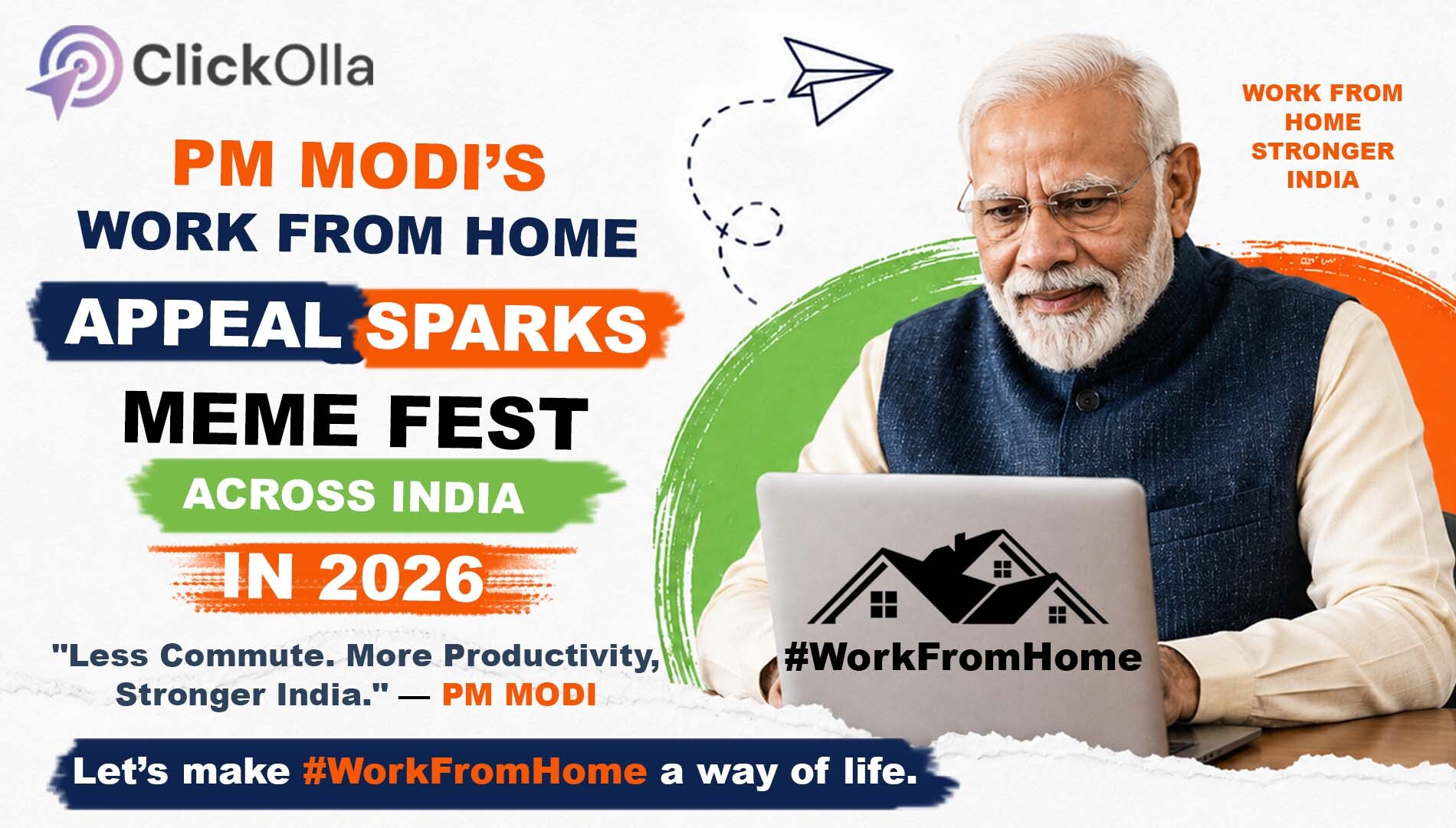
PM Modi’s Work From Home Appeal Goes Viral as India Floods Social Media With Memes
Prime Minister Narendra Modi recently sparked a nationwide conversation after encouraging Indians to adopt Work From Home practices again to help reduce fuel consumption and support the country during rising global tensions. What started as a serious economic and fuel-saving appeal quickly turned into one of the biggest viral meme trends across Indian social media platforms.
From hilarious office jokes to “HR department panic” memes, the internet reacted instantly. Employees, freelancers, remote workers, and even companies joined the trend, creating a wave of funny content around the idea of returning to pandemic-style remote work culture.
Reference
Why PM Modi Asked Indians To Work From Home Again
During a public speech in Hyderabad, PM Modi highlighted the growing pressure caused by international conflicts, increasing crude oil prices, and economic uncertainty. He advised citizens and businesses to reduce unnecessary travel and fuel consumption by using digital solutions such as virtual meetings and Work From Home systems whenever possible.
According to reports, the Prime Minister also encouraged Indians to:
- Reduce petrol and diesel usage
- Use public transport more often
- Adopt carpooling
- Support electric vehicles
- Avoid unnecessary foreign travel
- Promote domestic tourism
- Buy Made-in-India products
- Reduce non-essential expenses
The statement immediately became a trending topic across India, especially because it reminded people of the COVID-19 lockdown era when remote work became the new normal.
Reference economictimes
Social Media Explodes With Work From Home Memes
Soon after the announcement, platforms like Instagram, X (Twitter), Facebook, and YouTube were flooded with memes and reactions. Many users joked about employees celebrating the return of remote work while HR teams prepared strict office attendance emails.
Popular meme themes included:
- “Employees after hearing WFH is back”
- “HR department entering panic mode”
- “Zoom app downloads increasing again”
- “Managers pretending internet issues don’t exist”
- “Office attendance vs petrol prices”
Several creators also joked about reopening old Zoom accounts, attending meetings in pajamas, and pretending their microphones were not working during virtual meetings. These nostalgic jokes quickly connected with millions of Indians who experienced Work From Home culture during the pandemic years.
Reference latestly
Why Indians Relate So Much To Work From Home Culture
The Work From Home trend became extremely popular in India during the COVID-19 pandemic. Employees across sectors experienced both the benefits and challenges of remote work. For many professionals, remote work offered flexibility, reduced travel stress, and better work-life balance.
Studies conducted after the pandemic showed that hybrid and flexible work models became a preferred choice for many workers worldwide. Research also suggested that remote work transformed employee expectations and workplace culture permanently.
Because of this history, PM Modi’s recent appeal instantly reminded people of the pandemic era, creating a perfect environment for memes, nostalgia, and online discussions.
Reference arxiv
The Fuel Saving Strategy Behind The Appeal
The Prime Minister’s message was not only about office culture. Experts believe the appeal is closely linked to increasing global crude oil prices and geopolitical tensions in West Asia. Rising oil prices directly affect India’s economy because the country imports a large amount of crude oil from international markets.
By encouraging remote work and reducing unnecessary travel, the government aims to:
- Lower fuel consumption
- Reduce pressure on imports
- Save foreign exchange
- Control inflation impact
- Encourage sustainable habits
This broader “Nation First” approach was presented as a patriotic effort where citizens can contribute through small lifestyle changes.
Reference economictimes
Corporate India Reacts To The WFH Suggestion
The discussion quickly expanded beyond memes. Several IT companies, business leaders, and industry groups started debating whether hybrid work models should return on a larger scale. Some leaders supported the idea, saying it could improve fuel efficiency and employee flexibility.
Others argued that many companies have already invested heavily in returning employees to office spaces after the pandemic. Because of this, fully remote work may not return at the same scale as before.
Still, the idea of “2 days Work From Home” or hybrid office culture has gained fresh momentum after the Prime Minister’s remarks.
Reference economictimes
Political Reactions And Public Debate
Like many national discussions in India, the Work From Home appeal also sparked political reactions. Opposition leaders criticized the suggestions and questioned whether such measures reflected economic concerns and policy failures.
At the same time, supporters praised the Prime Minister for encouraging practical and responsible habits during uncertain global conditions.
Social media became divided between:
- People supporting fuel-saving measures
- Employees hoping for remote work flexibility
- Critics questioning implementation practicality
- Meme creators turning everything into comedy content
This combination of politics, economics, and humor helped the topic dominate online conversations.
Reference economictimes
How Instagram And Meme Pages Made The Trend Bigger
Indian meme culture played a major role in amplifying the trend. Popular meme pages, Instagram creators, and content marketers quickly started producing relatable reels and posts using office situations and “WFH dreams.”
Many creators used:
- Funny office audio clips
- Boss vs employee scenarios
- Zoom meeting jokes
- Petrol price references
- Corporate humor
- Relatable Indian office culture
Because Work From Home is something millions of Indians personally experienced, the content became instantly shareable and highly engaging.
Reference instagram
Will Work From Home Return In India?
At the moment, there is no official nationwide Work From Home policy being implemented. However, PM Modi’s appeal has reopened discussions around:
- Hybrid work models
- Flexible office schedules
- Fuel-saving initiatives
- Sustainable work culture
- Digital meetings
Experts believe many companies may adopt partial hybrid systems if fuel prices continue rising and businesses seek cost-efficient operations.
Industries such as:
- IT
- Digital marketing
- Graphic design
- Customer support
- Software development
- Online education
are already well-equipped for remote operations compared to traditional sectors.
The Bigger Impact Of Viral Political Trends
This incident once again showed how quickly political statements can transform into massive internet trends in India. Within hours, serious economic discussions turned into viral content across every major platform.
India’s internet culture thrives on relatable humor, especially around:
- Office life
- Petrol prices
- Corporate culture
- Government announcements
- Daily struggles
The Work From Home meme trend became successful because it combined all of these elements into one relatable topic.
PM Modi’s recent Work From Home appeal started as an economic and fuel-saving suggestion but rapidly evolved into one of India’s biggest viral meme trends of 2026. The discussion highlighted how deeply remote work culture has become part of modern Indian life.

While some people viewed the appeal seriously as a way to reduce fuel consumption and support the economy, others saw it as an opportunity for humor and nostalgia. From funny memes to corporate debates, the topic dominated India’s online conversation for days.

Whether Work From Home truly returns on a larger scale or not, one thing is clear — Indians never miss a chance to turn national headlines into viral internet entertainment.


