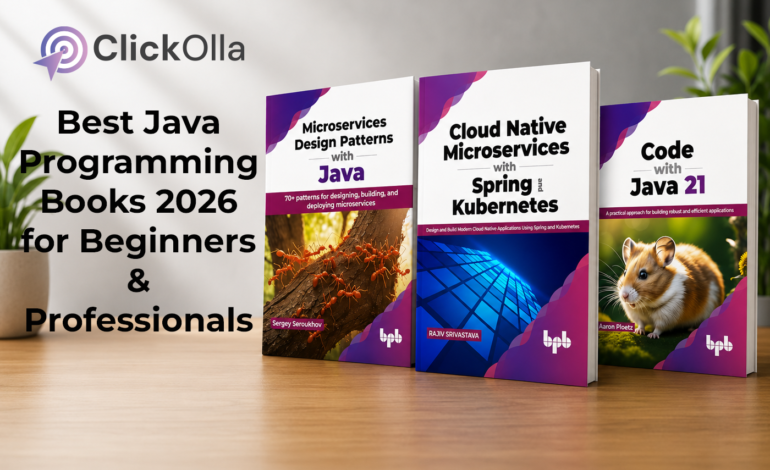
Java remains one of the world’s most powerful and widely used programming languages. From enterprise software and banking applications to Android development, cloud computing, microservices, and large-scale backend systems, Java continues to dominate the software industry.
However, learning Java effectively can be challenging. Many beginners struggle with selecting the right resources, while experienced developers often find it difficult to stay updated with modern Java practices, Spring Boot development, cloud-native architectures, Kubernetes deployment strategies, and coding best practices.
That’s where choosing the right book makes a huge difference.
A quality Java book can help you build a strong programming foundation, understand object-oriented principles, master coding standards, prepare for technical interviews, and become a more efficient software engineer.
At Clickolla, we’ve reviewed some of the most recommended Java books available today. Whether you’re a student, fresher, backend developer, software architect, or interview candidate, this guide will help you find the best Java learning resource for your goals.
Let’s dive into the best Java books worth adding to your learning journey in 2026.
Java Fundamentals (BPB Publications)
Overview
This book serves as an excellent entry point for aspiring Java developers. It focuses on building a strong foundation in Java programming concepts before moving into advanced topics.
Cloud Native Microservices with Spring Boot & Kubernetes
Overview
Modern software development increasingly relies on cloud-native architecture. This book focuses on designing scalable applications using Spring Boot, Docker, Kubernetes, and microservices.
Writing code that works is important. Writing clean, maintainable, efficient code is even more important. This book focuses on professional coding practices and software craftsmanship.
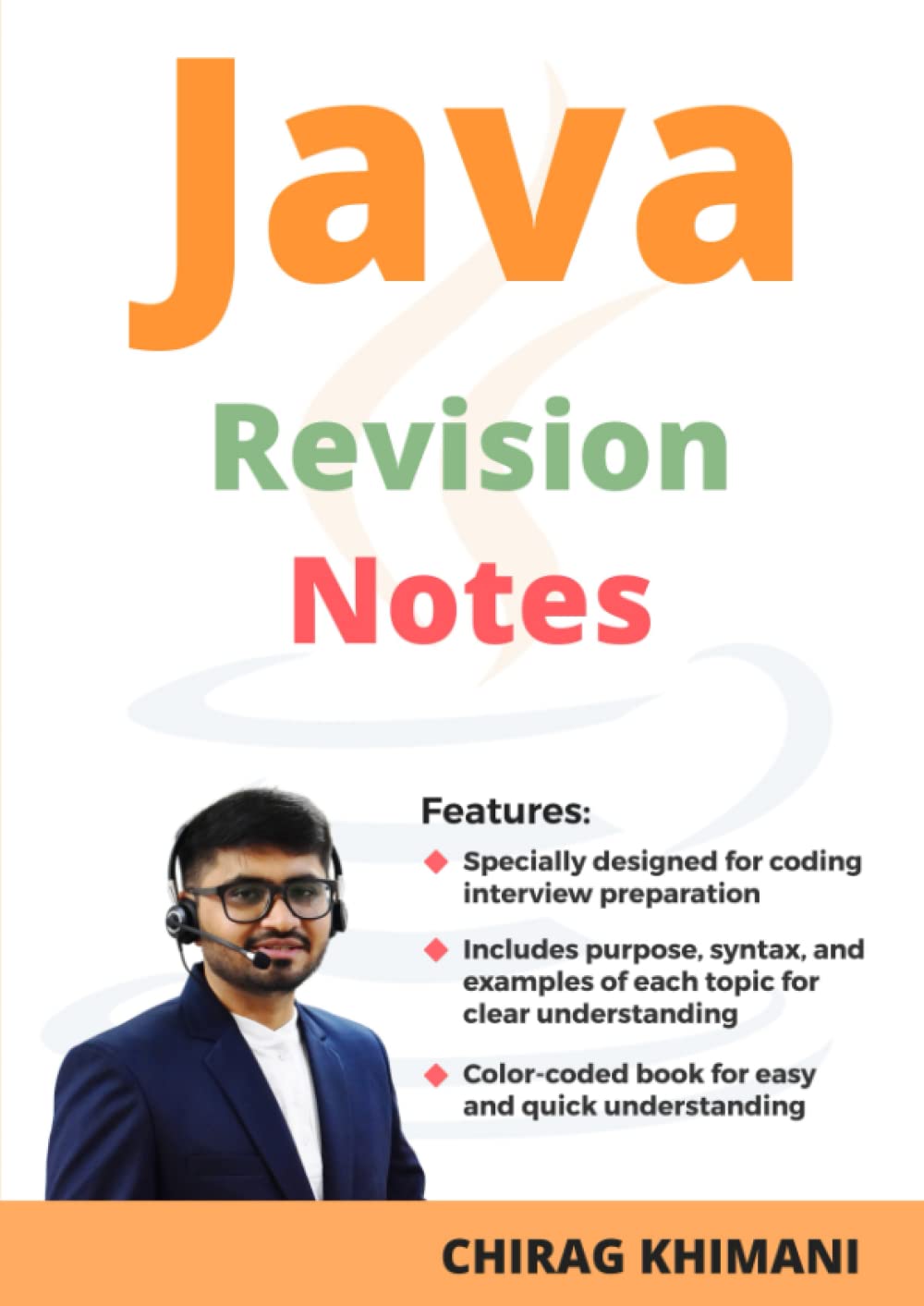
Technical interviews remain one of the biggest challenges for software developers. This book focuses on commonly asked Java interview questions and advanced concepts.
This book focuses on practical Java programming through coding exercises and problem-solving techniques. Rather than teaching theory alone, it helps developers strengthen real coding skills through hands-on examples.
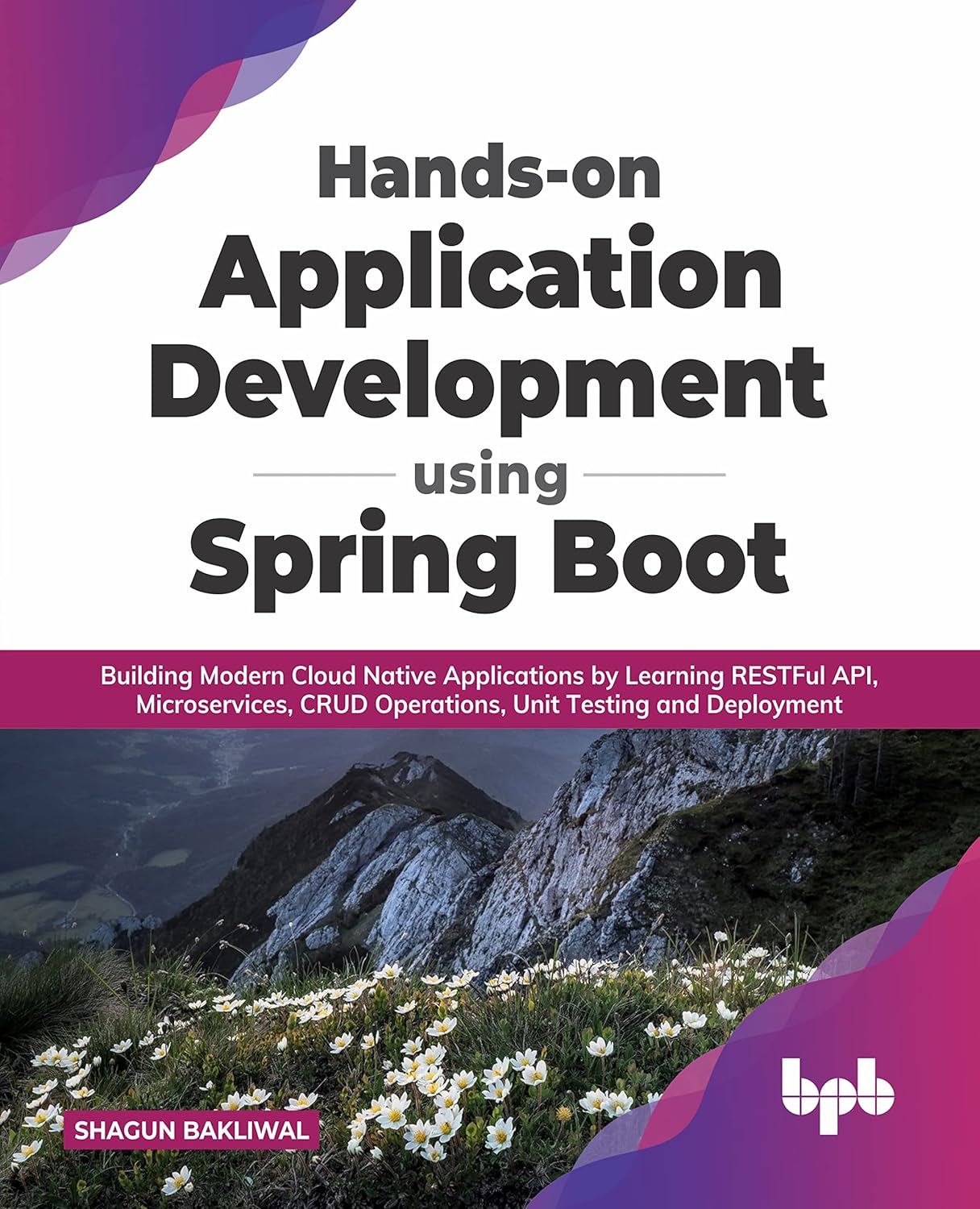
Spring remains the most important framework in modern Java development. This book provides practical guidance on building enterprise-grade applications using Spring technologies.