Best Politics Books to Read in 2026


- PublishedJuly 21, 2026
Politics influences nearly every aspect of our daily lives. From the laws we follow and the taxes we pay to education, healthcare, international relations, and technological regulations, political systems shape the societies in which we live.
Yet, despite its importance, politics is often misunderstood or viewed only through the lens of current events. Reading well-written politics books provides a deeper understanding of how governments function, why societies organize power in different ways, how political ideas evolve, and what challenges modern democracies face.
Whether you’re a university student studying political science, a UPSC or civil services aspirant, a journalist, a policymaker, or simply someone interested in understanding the world, the right politics books can provide valuable historical context and analytical frameworks.
The five books featured in this guide cover a wide range of perspectives. Some introduce the fundamentals of political systems, while others explore the evolution of information networks, political philosophy, or major political ideas in an accessible format.
In this comprehensive guide, we’ll compare five notable books:
- An Introduction To Politics
- Search for Truth
- Nexus: A Brief History of Information Networks from the Stone Age to AI
- A Grammar of Politics by Harold J. Laski
- The Politics Book: Big Ideas Simply Explained
We’ll examine their content, strengths, ideal audience, and practical value to help you choose the right book for your goals.
An Introduction To Politics

Overview
For anyone beginning their journey into political science, An Introduction To Politics serves as a strong foundation. Rather than assuming prior knowledge, the book introduces readers to the essential concepts, institutions, and theories that shape political life.
It explains what politics is, why governments exist, how power is exercised, and how citizens, institutions, and political systems interact. The writing style is generally structured for students and readers who want a clear introduction before moving on to more advanced political theory.
Whether you’re preparing for university studies, competitive examinations, or simply trying to understand how modern governments function, this book offers a practical starting point.
This book introduces readers to many of the core ideas that underpin political science.
Topics commonly include:
- Meaning of Politics
- Political Power
- Authority
- Government
- State
- Nation
- Democracy
- Political Ideologies
- Constitution
- Rights and Duties
- Elections
- Public Policy
- Political Parties
- Citizenship
- Global Politics
These concepts provide an excellent framework for further study.
Search for Truth
Overview
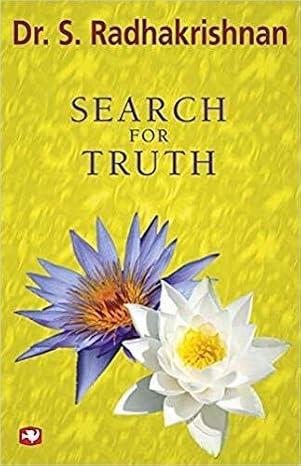
Search for Truth is a thought-provoking book that encourages readers to question assumptions, examine evidence carefully, and think critically about society, politics, ethics, and human behavior. Rather than focusing only on governments or political institutions, the book explores how individuals seek truth in a world shaped by information, beliefs, culture, and competing perspectives.
For readers interested in understanding not only politics but also the reasoning behind political opinions and public discourse, this book offers an engaging complement to traditional political science texts.
Unlike introductory textbooks that explain institutions and constitutional structures, Search for Truth emphasizes critical thinking and encourages readers to evaluate claims thoughtfully before accepting them.
Readers can expect to explore ideas such as:
- Critical thinking
- Evaluating evidence
- Bias and misinformation
- Public opinion
- Ethics
- Logic and reasoning
- Political discussion
- Media literacy
- Decision-making
- Personal responsibility
Rather than offering simple answers, the book encourages readers to ask better questions and consider multiple viewpoints.
Nexus: A Brief History of Information Networks from the Stone Age to AI

Overview
Nexus: A Brief History of Information Networks from the Stone Age to AI explores one of the most important questions of the modern era:
How has information shaped human civilization—and what happens when artificial intelligence becomes a major participant in creating, distributing, and influencing information?
Rather than being a traditional political science textbook, Nexus examines the relationship between communication, technology, institutions, and political power across thousands of years of history. It discusses how humans built increasingly complex information networks—from oral traditions and writing systems to printing presses, mass media, the internet, and AI.
The book encourages readers to think about how societies organize knowledge, how information spreads, how trust is established, and how these processes influence governments, economies, and cultures.
The book explores topics such as:
- Evolution of information systems
- Human communication
- Writing and record-keeping
- Religious and cultural information networks
- Printing revolution
- Newspapers
- Radio and television
- Internet development
- Social media
- Artificial intelligence
- Trust and misinformation
- Knowledge distribution
- Institutions and governance
Instead of presenting information as isolated historical events, the book connects them into a broader narrative about how societies exchange and organize knowledge.
A Grammar of Politics by Harold J. Laski

Overview
A Grammar of Politics by Harold J. Laski is one of the classic works of political philosophy and political theory. First published in the early 20th century, it has remained influential among students, scholars, and readers interested in understanding the relationship between the individual, the state, rights, liberty, authority, and democratic governance.
Unlike introductory politics books that primarily explain institutions or electoral systems, Laski’s work explores the philosophical foundations of politics. It encourages readers to think critically about why governments exist, what gives political authority legitimacy, and how societies can balance individual freedom with collective responsibility.
Although some historical examples reflect the period in which it was written, many of the broader questions it raises continue to be relevant in discussions of democracy, constitutional government, public policy, and citizenship.
Harold J. Laski was a British political theorist, economist, and academic known for his contributions to political science and democratic socialist thought. His writings have been widely studied in universities and continue to influence discussions on constitutional government, political authority, and civil liberties.
His work focuses on understanding the role of the state while emphasizing the importance of democratic participation and individual rights.
Readers will encounter discussions on topics such as:
- Political authority
- Sovereignty
- Liberty
- Equality
- Rights and responsibilities
- Democracy
- The state
- Citizenship
- Representation
- Constitutional government
- Political institutions
- Public administration
- Economic influences on politics
- Law and governance
The book examines these ideas in depth and encourages readers to consider how they relate to one another.
The Politics Book: Big Ideas Simply Explained

Overview
The Politics Book: Big Ideas Simply Explained is an accessible introduction to political thought that presents major political concepts, ideologies, historical events, and influential thinkers in a visually engaging format. As part of the popular “Big Ideas Simply Explained” series, the book is designed to help readers understand complex topics through concise explanations, timelines, illustrations, and diagrams.
Rather than functioning as a traditional textbook, this book serves as an overview of political ideas across different periods and regions. It introduces readers to influential philosophers, political movements, systems of government, and key debates without requiring prior knowledge of political science.
Its approachable style makes it particularly suitable for beginners, visual learners, and anyone seeking a broad introduction before exploring more specialized texts.
The book introduces readers to a wide variety of political topics, including:
- Democracy
- Republics
- Monarchies
- Political ideologies
- Liberalism
- Conservatism
- Socialism
- Nationalism
- Communism
- Fascism
- Anarchism
- Human rights
- Constitutions
- Citizenship
- International relations
- Political revolutions
- Public policy
- Globalization
Each topic is presented with brief explanations and historical context.
Frequently Asked Questions
1. What is the best politics book for beginners?
For readers new to politics, The Politics Book: Big Ideas Simply Explained is one of the easiest introductions because it explains complex ideas using illustrations, timelines, and concise summaries.
2. Which politics book is best for college students?
An Introduction To Politics is well suited for college students because it provides a structured overview of political science concepts, institutions, and political systems.
3. Which book explains political philosophy best?
A Grammar of Politics by Harold J. Laski offers an in-depth examination of liberty, rights, democracy, sovereignty, and the role of the state, making it a valuable resource for readers interested in political philosophy.
4. Which book discusses AI and politics?
Nexus: A Brief History of Information Networks from the Stone Age to AI examines how information systems and technological developments, including AI, influence societies and institutions.
5. Is political science difficult to learn?
Political science introduces many concepts, but beginners can build understanding gradually by starting with introductory books and progressing to more advanced texts.